Contextualizing Hoyt Sherman Place

General Information
Grade 9th -12th Grades Class Social Studies Length of Lesson 60 minutes
Lesson Title Contextualizing Hoyt Sherman Place
Unit Title Hoyt Sherman: Venturing into the Unknown
Unit Compelling Question
Historical Context:

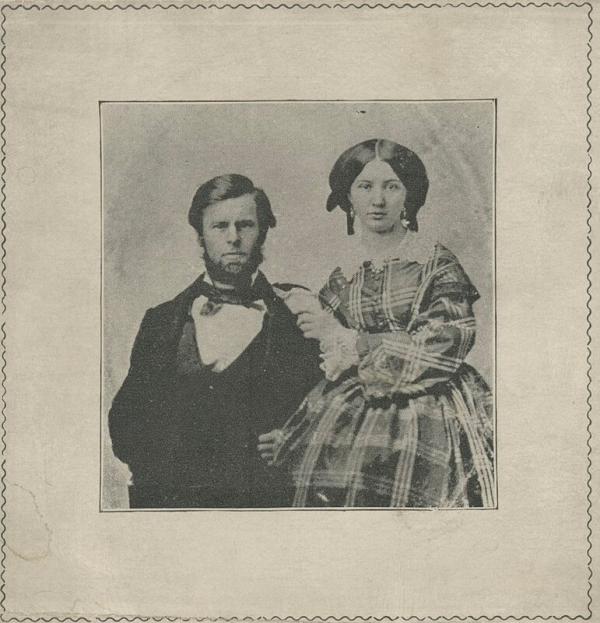
When Hoyt Sherman arrived in Des Moines in 1848 the population was only 127.  He took on many jobs and roles that helped Des Moines become a business and cultural center.  He studied law and passed the Iowa Bar in 1849.  He worked with other community leaders to establish post offices, schools, waterworks, banks, and railways.  This gave Des Moines a strong infrastructure for increasing the population rapidly.  The population increased to 22,000 in 1880 and 50,000 in 1890.  His business and law background gave him the knowledge to create Equitable Life Insurance Company.  This was a huge boost to the economy of Des Moines and helped to establish it as one of the insurance capitals of the world, which it remains to this day.

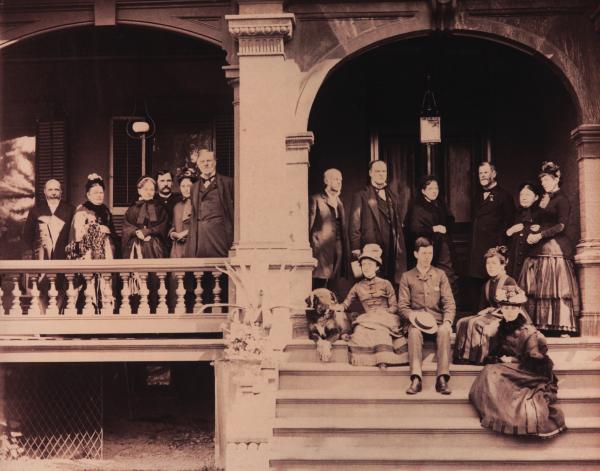
The Sherman family had a big impact on the United States during the mid-1800s.  Other family members, besides Hoyt, include General William Tecumseh Sherman (Civil War General), John Sherman (Sherman Anti-Trust Act, Ohio Senator and Secretary of Treasury), Charles Sherman (Ohio Supreme Court), Lampson Sherman (newspaper owner and mayor of Des Moines), and more.

Emily Roeder, Education Program Coordinator, Hoyt Sherman Place
Lesson Supporting Question

How do the history, art, and architecture of Hoyt Sherman Place reflect the cultural, social, and historical changes in Des Moines, Iowa and the United States over time?

Lesson Overview

Students will explore the history, art, and architecture of Hoyt Sherman Place and how it reflects local, national, and global historical contexts.  They will research key figures and events, create visual presentations, and prepare to engage thoughtfully during their visit.

Primary Sources Used
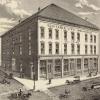
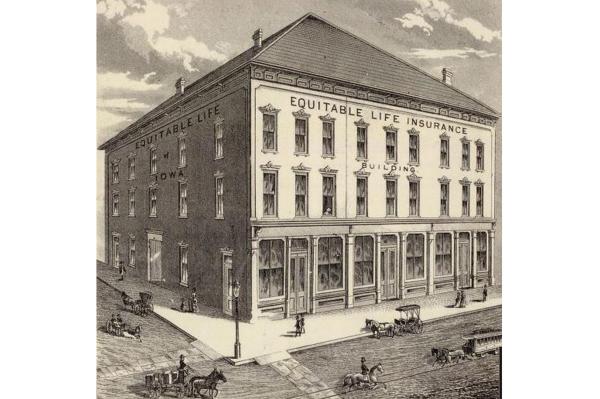
Lithograph 2018.003.005
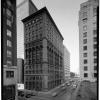
Photograph 2018.003.006
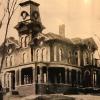
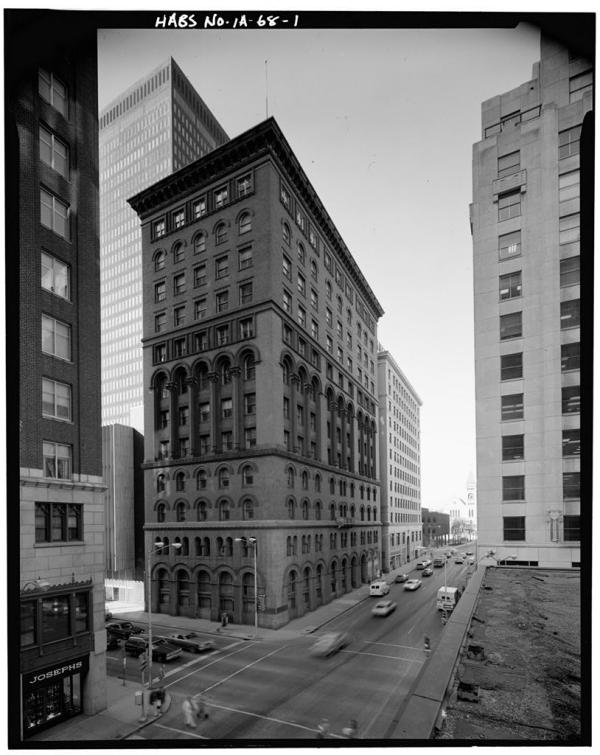
Photograph 2018.003.007
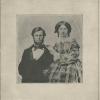
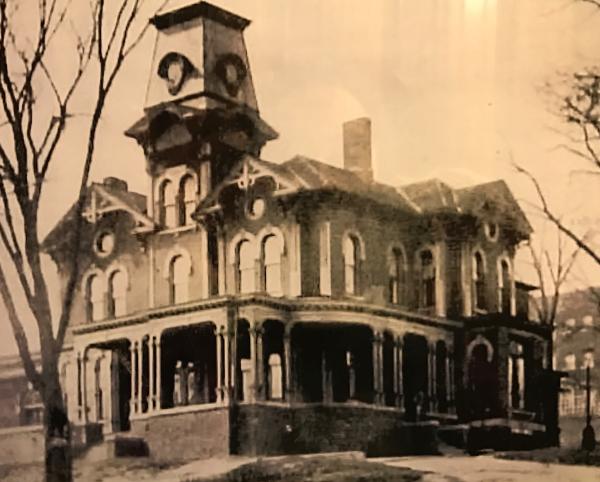
Photograph 2018.003.008
Photograph 2018.003.009
Resources Needed

Resources Needed:  PowerPoint, Curriculum Guide, research materials, and historic places video, art supplies.

Sherman family history PowerPoint pdf

History PowerPoint pdf

Curriculum

Hoyt Sherman Place Video

Hoyt Sherman Place website


Standard
Lesson Target

Students will understand the historical significance of Hoyt Sherman Place, its impact on Des Moines and Iowa, and how art and architecture reflect cultural and historical contexts.

Lesson Themes Settlers / Pioneers, Visual Arts, Cities, Early Business and Industry
Lesson Procedure
StepProcedureTimeDifferentiation plan / Additional Information
1Introduction: Students will explore the historical and cultural significance of Hoyt Sherman Place.20 min.

Background Information: Begin with a brief introduction to Hoyt Sherman Place, emphasizing its evolution from a private residence to a cultural and historical landmark.  Use PowerPoints, website, or video to guide overview.

Historical Context: Provide an overview of the key events associated with Hoyt Sherman Place.  Highlight significant contributions by Hoyt Sherman and the role of the Des Moines Women's Club.  Explore how Hoyt Sherman Place mirrors broader historical events, such as the Civil War, World War I, or early 20th century cultural shifts.

2Historical Analysis Activity:  Students will examine key historical elements related to Hoyt Sherman Place and their connections to broader historical contexts.30 min.

Research:  Divide students into small groups.  Assign each group with a specific aspect of Hoyt Sherman Place's history, such as Major Hoyt Sherman, the Des Moines Women's Club, the theater, the mansion, or an artist.  Each group will research their assigned topic using provided materials and the internet as a guide.

Task: Groups create a short presentation that highlights major events related to Hoyt Sherman Place and connections these events had to broader historical contexts (e.g. the Civil War, World War I, or early 20th century American cultural shifts).

Create: Develop a visual representation (poster or slideshow) to accompany the presentation, illustrating key points and connections through history.

Discussion:  Groups present their findings to the class.  Facilitate a discussion on how the events and developments at Hoyt Sherman Place related to national or global events as well as changes over time.

Gallery Walk: If time permits, conduct a gallery walk where students can view and discuss each group's posters and findings.  Allow time for feedback.

3Art and Architecture Context: Students will analyze the art and architectural elements of Hoyt Sherman Place.30 min.

Art Analysis:  Display images of art and architectural elements from Hoyt Sherman Place.  Respond and discuss the visual characteristics and historical significance of these pieces.

Research: Select a piece of art or architectural feature to research.  Investigate its history, stylistic elements, and how it reflects social contexts.

Create: Develop a visual representation related to the selected piece.

Discussion: Analyze how the art in Hoyt Sherman Place reflects societal values and behaviors during its era.  Discuss the influence on contemporary art.

Gallery Walk: If time permits, conduct a gallery walk where students can explore and respond to each group's visual presentations and findings.  Allow time for discussion and feedback.

4Closure: Students will summarize the learning and prepare for their visit.10 min.

Recap: Review the importance of Hoyt Sherman Place in Iowa and U.S. history.

Extra Time: Explore the student supplemental materials at the back of the curriculum guide.

Assessment
Formative Assessment
(How will you use the formative assessments to monitor and inform instruction?)

Questions, reflections, research, and presentation.

Summative Assessment
(How does the lesson connect to planned summative assessment(s)?)

N/A

Author Information
Author Emily Roeder Created Last Edited
Reviewer: Emily Roeder, Hoyt Sherman Place, Des Moines
Lesson Plan Development Notes: Use the curriculum guide for extensions as well as opportunities to engage with the museum and incorporate visual arts.